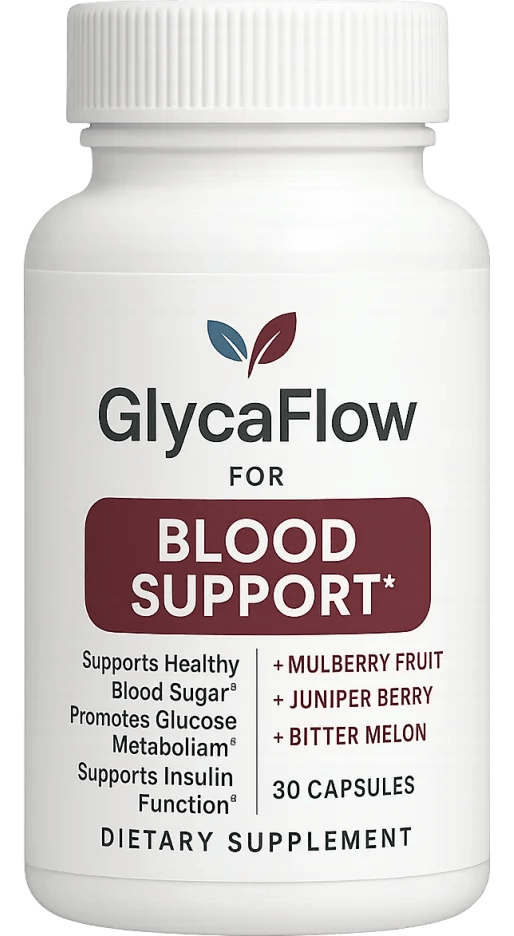
GlycaFlow combines three botanicals—mulberry fruit, juniper berry, and bitter melon—in a simple daily capsule. It is positioned solely as a supplement to help maintain blood sugar levels that are already normal, alongside balanced eating, regular activity, and adequate sleep.
See PricingMedication Interaction Notice: GlycaFlow may interact with glucose-lowering medications. Always consult your doctor before starting any new supplement, especially if you take insulin or other diabetes medicines.

A dietary supplement with mulberry fruit, juniper berry, and bitter melon, positioned to support healthy blood sugar levels already within the normal range—not to treat diabetes.
No. GlycaFlow is not a medicine and should never replace prescribed medication, blood glucose monitoring, or medical care.
Mulberry fruit, juniper berry, and bitter melon. The evidence for each is limited, mixed, or based mostly on lab and animal work.
People on glucose-lowering medicines, those who are pregnant or breastfeeding, people with kidney or liver disease, and children under 18.
GlycaFlow is a dietary supplement containing three botanicals: mulberry fruit, juniper berry, and bitter melon. It is marketed to support healthy blood sugar levels already within the normal range. It is not a treatment for diabetes or prediabetes, and it does not replace medical care.
The supplement comes in bottles of 30 capsules. Our label lists mulberry fruit, juniper berry, and bitter melon as the active botanical ingredients, along with standard capsule excipients. Because GlycaFlow is a dietary supplement, it is regulated differently than pharmaceutical drugs—meaning the evidence behind its claims is typically less rigorous.
The following breakdown explains each ingredient, the strength of the available evidence, and important safety considerations so you can make an informed decision.
Three botanicals, each with a different traditional use and a different level of scientific backing. Here is what the current research actually shows—and where the gaps remain.
Mulberry fruit has been used in traditional medicine for centuries. While some lab and animal studies suggest mulberry extracts might influence how carbohydrates are processed, most of the research focuses on mulberry leaves, not the fruit found in GlycaFlow.
Limited human evidenceCaution: May interact with glucose-lowering medications.
Juniper berry is traditionally used for digestive health and flavoring. There is very limited scientific evidence supporting its role in blood sugar support, and human trials are scarce.
Minimal human evidenceCaution: Not recommended for people with kidney disease.
Bitter melon has been studied for potential effects on carbohydrate metabolism. However, a Cochrane review concluded that evidence remains insufficient due to small, low-quality studies. Results across trials have been mixed.
Mixed evidenceCaution: Risk of dangerously low blood sugar when combined with diabetes medications.
GlycaFlow's botanicals are traditionally associated with carbohydrate metabolism and digestive wellness. The idea is that, paired with healthy habits, they may help support blood sugar levels already within a normal range — not force a change in levels that are elevated.
How strong is the human evidence for each botanical? This meter reflects the quality and quantity of peer-reviewed human trials—not lab or animal studies alone.
| Ingredient | Traditional Use | Human Evidence | Main Caution |
|---|---|---|---|
| Mulberry Fruit | Digestive and metabolic support | Limited — mostly leaf studies | Medication interaction |
| Juniper Berry | Digestive aid, flavoring | Minimal — few human trials | Kidney disease |
| Bitter Melon | Metabolic support | Insufficient — mixed results | Hypoglycemia risk |
Most published research on mulberry and blood sugar focuses on mulberry leaf extract, which contains compounds thought to slow carbohydrate digestion. GlycaFlow uses mulberry fruit. The fruit and the leaf contain different compounds in different concentrations, so results from leaf studies cannot be directly applied to the fruit form. This is an important distinction for anyone evaluating the evidence.
Based on the traditional use of its three botanicals, GlycaFlow is positioned around the following potential wellness benefits. These are not guarantees, and individual results vary.
Formulated to help support blood sugar levels already within a healthy, normal range—not to lower elevated levels.
Botanicals traditionally linked to carbohydrate metabolism and digestive comfort.
Some users report steadier energy when paired with balanced meals, though this is anecdotal, not clinically proven for GlycaFlow specifically.
One easy capsule-based addition to an existing wellness routine—never a replacement for medical treatment.
GlycaFlow is marketed toward healthy adults who want extra support maintaining blood sugar levels already in the normal range—not as a treatment for an existing condition.
Adults without diagnosed diabetes who want to support healthy habits around diet and metabolism.
People interested in proactive wellness routines alongside diet, exercise, and sleep.
Adults already comfortable evaluating dietary supplements and reading product labels critically.
Anyone on glucose-lowering medication, pregnant or breastfeeding individuals, and those under 18 — see Safety section below.
A transparent look at what's on the label. Always verify current Supplement Facts against the physical bottle you receive, as formulations can be updated by the manufacturer.
| Ingredient | Form | Amount Per Serving | Daily Value |
|---|---|---|---|
| Mulberry Fruit | Powder | See Supplement Facts panel on bottle | Not established |
| Juniper Berry | Powder | See Supplement Facts panel on bottle | Not established |
| Bitter Melon | Powder | See Supplement Facts panel on bottle | Not established |
Serving size: 1 capsule, 30 capsules per bottle (typical month's supply at one capsule daily — confirm against your bottle's label). This page does not substitute for the printed Supplement Facts panel, which is the authoritative source.
Supplements are not inert. The botanicals in GlycaFlow can interact with medications and underlying conditions. Understanding these risks is essential before use.
Combining GlycaFlow with prescribed glucose-lowering medications could potentially cause blood sugar to drop too low (hypoglycemia). Symptoms include shakiness, confusion, sweating, and dizziness. If you take diabetes medications, do not start this supplement without explicit guidance from your healthcare provider.
Because GlycaFlow is a dietary supplement rather than a regulated drug, the exact serving size and dose come from the manufacturer's Supplement Facts label. Always follow the label directions and your clinician's advice.
Take as directed on the Supplement Facts label. Do not exceed the recommended daily amount unless advised by a healthcare professional.
Some users find taking supplements with food reduces stomach upset. Check the label for specific timing instructions.
If you choose to use GlycaFlow, take it consistently at the same time each day. Supplements rarely produce immediate changes.
Keep the bottle in a cool, dry place away from direct sunlight and moisture to preserve potency.
No supplement replaces the foundation of balanced eating, regular movement, good sleep, and consistent monitoring. These habits matter far more than any capsule.
Focus on whole foods, fiber, lean protein, and healthy fats. Limit refined sugars and highly processed carbohydrates.
Regular physical activity helps your body respond more effectively to the food you eat. Aim for movement most days.
Poor sleep can affect how your body handles carbohydrates. Target 7–9 hours of quality sleep each night.
If your doctor has you tracking readings, keep a regular schedule and share trends at your checkups.
Knowing what to look for on a Supplement Facts panel helps you evaluate whether a product is transparent and worth your trust.
Look for the actual milligram amount of each active ingredient per serving—not just the ingredient name.
An extract is concentrated. A whole-herb powder is not. These are not interchangeable, and the dose matters.
Independent verification means the contents match the label. Look for seals from recognized testing organizations.
A reputable company lists its name, address, and a clear return policy. Avoid products with no traceable maker.
A transparent comparison with two generic "blood sugar support" supplements. We highlight what is disclosed versus left vague.
| Feature | GlycaFlow | Brand A (generic) | Brand B (generic) |
|---|---|---|---|
| Ingredients Disclosed | Mulberry fruit, juniper berry, bitter melon | Proprietary blend (amounts hidden) | Mulberry leaf + filler blend |
| Amounts Per Serving | Printed on bottle's Supplement Facts panel | Not disclosed | Partially disclosed |
| Third-Party Testing | Testing information not confirmed | Claimed, no seal shown | Not mentioned |
| Price Per Bottle | From $49.00/bottle* | Not disclosed | Similar range |
| Return Policy | 60-day money-back guarantee | Varies | 30 days |
*Per-bottle price depends on package size selected. Always compare total cost including shipping before buying.
All packages ship from our warehouse. Every order includes a 60-day money-back guarantee.
We are so confident in our products and services, that we back it with a 60-day money-back guarantee. If for any reason you are not fully satisfied with our products, simply return the purchased products in the original container within 60 days of when you received your order. We will refund you 100% of the purchase price - with absolutely no hassle.
What is GlycaFlow?
GlycaFlow is a dietary supplement containing mulberry fruit, juniper berry, and bitter melon. It is positioned to support healthy blood sugar levels already within the normal range—not to treat diabetes.
What ingredients are in GlycaFlow?
The label lists mulberry fruit, juniper berry, and bitter melon as the active botanical ingredients, along with standard capsule excipients.
Can GlycaFlow cure or treat diabetes?
No. GlycaFlow is not a medicine and cannot cure or treat diabetes or prediabetes. It should never replace prescribed medication or medical care.
Can I stop my diabetes medication and take GlycaFlow instead?
Never stop prescribed medication without talking to your doctor. Doing so can be dangerous. GlycaFlow is not a substitute for pharmaceutical treatment.
How do I take GlycaFlow?
Follow the directions on the Supplement Facts label. If you have questions about dosing, ask your doctor or pharmacist.
Can I take GlycaFlow with diabetes medicine?
Only under the guidance of your healthcare provider. Combining GlycaFlow with glucose-lowering medications may increase the risk of dangerously low blood sugar.
Why mulberry fruit instead of mulberry leaf?
Most published research focuses on mulberry leaf extract. GlycaFlow uses mulberry fruit, which contains different compounds. Results from leaf studies cannot be directly applied to the fruit form.
Does bitter melon lower blood sugar?
Evidence is mixed. A Cochrane review found the data insufficient to draw firm conclusions. Some small studies showed modest effects, while others showed none. More rigorous research is needed.
Who should not take GlycaFlow?
People on glucose-lowering medications, those who are pregnant or breastfeeding, individuals with kidney or liver disease, people with G6PD deficiency, and children under 18.
Is GlycaFlow third-party tested?
Testing information is not confirmed on the product listing. Look for independent verification seals from recognized organizations when evaluating any supplement.
How do I evaluate a supplement before buying?
Check that ingredients and amounts are clearly listed, look for third-party testing seals, verify the manufacturer's identity, and read independent reviews—not just marketing claims.
What are your shipping and return policies?
Orders ship from our warehouse. Every package comes with a 60-day money-back guarantee—return the product in its original container for a full refund.
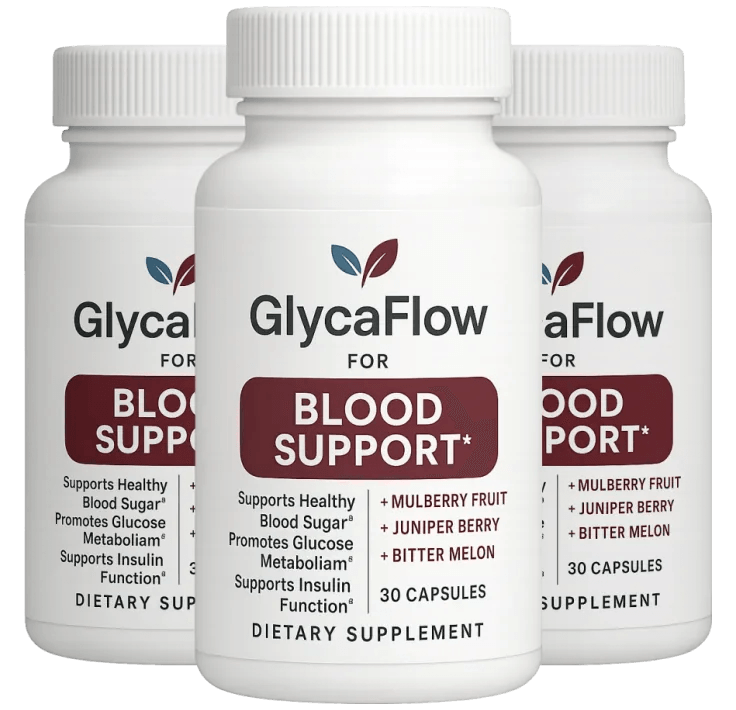
GlycaFlow brings together three traditionally used botanicals — mulberry fruit, juniper berry, and bitter melon — into a simple daily capsule positioned to support blood sugar levels already within a healthy, normal range. The human research behind each ingredient ranges from limited to mixed, and none of it supports using GlycaFlow to treat, cure, or replace care for diabetes or prediabetes.
If you're considering GlycaFlow, read the full ingredient breakdown above, check the Supplement Facts label on your bottle, and most importantly, talk to your doctor or pharmacist — especially if you take any glucose-lowering medication. A supplement is only ever one small piece of a much bigger picture that includes balanced eating, regular activity, consistent sleep, and routine medical care.
Make your decision based on the evidence, not just the marketing — and use the comparison and sources sections below to keep researching before you buy.
GlycaFlow is a dietary supplement, not a drug, and has not been evaluated by the Food and Drug Administration. It is not intended to diagnose, treat, cure, or prevent diabetes, prediabetes, or any other disease. Statements on this page describe traditional ingredient use and general research findings — they are not a guarantee of results for any individual. Always consult a qualified healthcare professional before starting GlycaFlow or any new supplement, particularly if you are pregnant, breastfeeding, managing a medical condition, or taking prescription medication such as insulin or other glucose-lowering drugs. Never stop or adjust prescribed medication based on information from this page. See the full FDA Disclaimer in the footer below for complete details.
Review the ingredients, understand the evidence, and speak with your doctor before starting. GlycaFlow is a supplement—not a replacement for medical care.
View Packages
For further reading, consult these independent, evidence-based organizations: